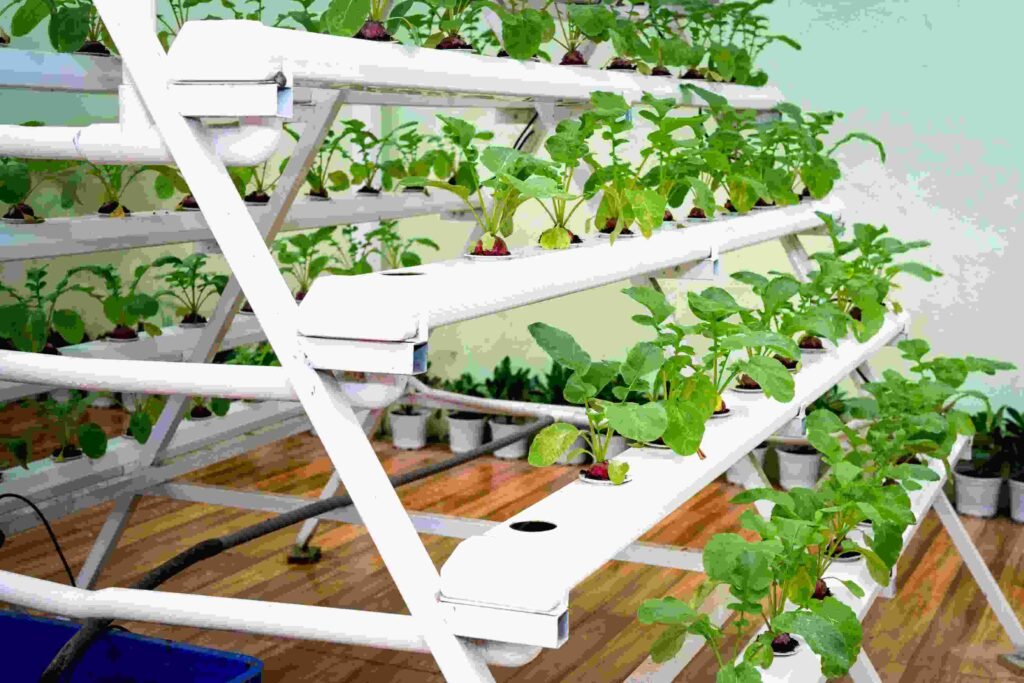

The contemporary American home is becoming increasingly intelligent, but the most interesting evolution may be happening somewhere between the kitchen counter and the living room. Connected lighting, automated climate control, voice assistants, and sophisticated security systems have already transformed residential technology. Now horticulture is entering the same ecosystem. Smart indoor gardens are turning traditionally manual activities—watering, lighting, feeding, and monitoring plants—into automated processes that can be managed with sensors, pumps, LED systems, and smartphone applications.
The appeal is particularly strong in urban America, where access to outdoor gardening space can be limited. A New York apartment, San Francisco condominium, Chicago high-rise, or compact Los Angeles residence can now support herbs, leafy greens, vegetables, and decorative plants without requiring a backyard. For affluent consumers, the attraction extends beyond convenience. The best systems combine horticultural automation with sophisticated industrial design, making them compatible with the visual language of contemporary kitchens and luxury interiors.
The emerging smart indoor garden systems investment market is consequently moving beyond novelty appliances. Premium systems increasingly incorporate automated lighting schedules, circulation pumps, water-level monitoring, nutrient management, app-based controls, and environmental sensors. Yet technological complexity alone does not make a system worth buying. The intelligent buyer should consider reliability, maintenance requirements, consumable costs, replacement parts, plant capacity, noise, aesthetics, and the amount of actual automation provided.
Five distinct frameworks currently illustrate where premium home horticulture is heading.
Automated Smart Hydroponic Planters
Countertop hydroponic planters represent perhaps the most accessible form of automated hydroponics home technology. Their fundamental advantage is simple: plants grow without conventional soil, while the system manages much of the water, light, and root environment.
A sophisticated hydroponic planter typically combines an integrated reservoir with a circulation pump and overhead LED lighting. More advanced designs may include water-level indicators, automated lighting schedules, pump timers, and alerts through a companion application. The absence of soil reduces some of the mess associated with traditional indoor gardening and allows the unit to sit naturally on a kitchen counter or sideboard.
The lighting system is central to performance. Premium grow lights are engineered to deliver wavelengths useful for photosynthesis, with automated cycles designed to mimic a consistent day-and-night schedule. Some systems dynamically adjust lighting duration or intensity according to plant stages, although buyers should distinguish genuine sensor-driven automation from simple preset timers.
The design profile matters in a luxury residence. A polished white, matte black, brushed-metal, or wood-accented housing can make a hydroponic planter resemble a premium kitchen appliance rather than laboratory equipment.
The investment rationale is strongest for consumers who value fresh herbs and greens but have limited time. The system can reduce routine watering and provide consistent illumination, making it particularly attractive for frequent travelers or busy professionals. However, recurring costs for seed pods, nutrients, filters, and replacement components should be calculated before purchase.
High-End Vertical Aeroponic Towers
For homeowners seeking greater production capacity, vertical aeroponic towers represent a more ambitious proposition. Instead of spreading plants horizontally across a countertop, these systems use vertical columns to maximize growing area within a relatively small footprint.
Aeroponic technology differs from conventional soil gardening because plant roots are exposed to or periodically misted with a nutrient-rich solution. A sophisticated tower can automate the circulation cycle through pumps and timers, while integrated LEDs provide artificial illumination where natural daylight is insufficient.
The technical sophistication can be substantial. Premium systems may incorporate reservoir monitoring, automated pump cycles, water-level sensors, programmable lighting, and application-based management. Some ecosystems also provide plant-specific growing guidance, allowing users to select a crop and receive recommendations regarding lighting and feeding.
The aesthetic advantage is equally important. A tall, sculptural tower can function almost like a piece of contemporary furniture. Positioned near a kitchen island, breakfast area, or glazed living space, it introduces vertical greenery while using considerably less floor area than conventional planters.
Spacing and circulation must nevertheless be considered. A tower requires sufficient clearance around foliage for harvesting and maintenance, while its height should remain proportionate to the room. It should not obstruct windows, doorways, or primary circulation routes.
The investment case is strongest for households that genuinely intend to grow substantial quantities of herbs and leafy greens. A high-end aeroponic tower can provide considerably more growing capacity than a small countertop unit, but the complexity also increases the importance of maintenance. Pumps, reservoirs, nutrient concentration, and sanitation cannot simply be ignored.
For the right household, however, the tower represents an intriguing combination of food production, interior design, and luxury interior technology.
App-Controlled Smart Herb Gardens
The smallest systems can sometimes deliver the greatest lifestyle convenience. App-controlled smart herb gardens are designed primarily around culinary plants such as basil, parsley, mint, thyme, cilantro, and other compact varieties.
Their appeal lies in reducing horticultural decision-making. Instead of asking when to water or how long to expose plants to artificial light, users can rely on automated schedules and application notifications. A well-designed system may monitor reservoir levels and alert the owner when water or consumables require attention.
These systems generally use a compact LED array positioned above the growing chamber. Lighting schedules can be automated according to preset growth cycles, while a small pump may circulate water through the root environment. Some systems use proprietary seed pods containing growing media and seeds, simplifying installation for beginners.
From an interior perspective, the best models resemble contemporary appliances. Their small footprint makes them appropriate for kitchens where counter space is valuable, and their controlled appearance can complement stone countertops, stainless steel appliances, and minimalist cabinetry.
The investment rationale is primarily convenience rather than maximum yield. An app-controlled herb garden is unlikely to replace a serious outdoor garden, but it can provide a reliable supply of fresh herbs within arm’s reach of the cooking area.
For affluent consumers, this distinction matters. The product is being purchased not simply for the herbs but for the reduction in friction. In a highly automated home, convenience itself becomes a form of luxury.
The buyer should therefore evaluate the long-term economics of proprietary pods and nutrients. A lower initial price can become considerably more expensive if consumables are costly or difficult to source.
Designer Cabinet Grow Systems
The most sophisticated indoor horticulture concept may be the cabinet system, which places an entire controlled growing environment inside a piece of furniture. These units can resemble elegant cabinets, refrigerators, or contemporary display cases, allowing serious plant cultivation without exposing the home to excessive humidity, odors, or visual clutter.
A premium cabinet can potentially integrate multiple layers of technology: LED lighting, fans, automated irrigation, environmental monitoring, ventilation, and application-based controls. More advanced designs can maintain separate conditions within the growing enclosure, allowing users to cultivate plants in a highly controlled environment.
The enclosed architecture provides a major aesthetic advantage. Rather than adapting the interior around a growing machine, the homeowner receives a piece of furniture designed to coexist with the room. This makes cabinet systems particularly appealing to high-end kitchens, designer apartments, and luxury residences where visual consistency matters.
Material selection becomes part of the investment. Powder-coated metal, tempered glass, premium polymers, integrated touch controls, and concealed ventilation can create an appliance that feels closer to architectural equipment than traditional gardening hardware.
The investment rationale is compelling for serious enthusiasts who want greater environmental control. A cabinet can provide a dedicated micro-climate while minimizing the impact of cultivation on the surrounding room. It can also support a broader range of plants than a basic countertop system.
The trade-off is cost and complexity. These systems occupy significantly more space and may require more technical maintenance. Buyers should investigate ventilation, noise, energy consumption, warranty coverage, replacement filters, and service availability before committing.
For a technology-oriented homeowner, however, a designer grow cabinet represents the convergence of horticulture and connected-home design.
Minimalist LED Self-Caring Pods
At the smallest end of the market are minimalist smart pods designed around individual plants or very small collections. Their appeal is architectural simplicity: a plant, a compact reservoir, and an integrated light source contained within a visually restrained object.
These systems are particularly suited to bedrooms, offices, shelving, entry consoles, and compact urban apartments. Their small scale allows homeowners to distribute several units throughout a residence without creating the visual density associated with traditional indoor gardening.
Automation generally centers on LED lighting and water management. A small reservoir can reduce watering frequency, while an integrated light provides consistent illumination when the room itself lacks adequate daylight. Depending on the design, sensors or software may monitor water levels and provide reminders when intervention is necessary.
The strongest aesthetic approach is repetition. Several identical pods can create a deliberate architectural rhythm across a shelving system, while one sculptural pod can function as a subtle accent on a desk or nightstand.
The investment rationale is different from that of a high-capacity hydroponic tower. These systems are lifestyle objects first and productivity devices second. Their value lies in simplicity, low maintenance, and integration into the home’s visual environment.
Buyers should nevertheless avoid assuming that “self-caring” means maintenance-free. Every living plant ultimately requires observation. Roots can become unhealthy, leaves can develop pests, reservoirs require cleaning, and lighting systems can eventually require replacement.
The best minimalist systems simply make routine care easier.
The Intelligent Future of Home Horticulture
Automated indoor horticulture is moving toward a fascinating convergence of technology, architecture, and lifestyle. The future will likely involve increasingly sophisticated sensors, more efficient LEDs, better water-management systems, improved plant-specific algorithms, and tighter integration with broader smart-home platforms.
Yet the smartest purchase is not necessarily the system with the greatest number of sensors. Urban homeowners should begin with their actual objective. Someone seeking fresh basil and mint requires a very different system from a collector growing dozens of leafy plants. Available floor and counter space, natural light, travel schedules, maintenance tolerance, and recurring consumable costs should all influence the decision.
A premium system should also be evaluated as both technology and furniture. Noise, cable management, visual proportions, material quality, and placement can determine whether an indoor garden enhances an interior or becomes an awkward appliance.
The economics deserve equal scrutiny. Seed pods, nutrients, filters, pumps, replacement LEDs, electricity, and maintenance can substantially increase lifetime ownership costs. Warranty support and the availability of replacement components are especially important for sophisticated systems that depend on proprietary hardware.
Ultimately, the strongest smart home gardening appliances are those that remove repetitive tasks without removing the pleasure of cultivation. Automation should handle predictable processes—lighting, watering, monitoring, and reminders—while the homeowner remains involved in observing growth and shaping the living environment.
That balance is what makes smart horticulture so compelling. In the modern luxury residence, technology does not have to separate humans from nature. Properly designed, it can create a more convenient bridge between the two.
The next generation of elite biophilic lifestyle tools will therefore be judged by more than their technical specifications. They will need to be quiet, beautiful, efficient, repairable, and genuinely useful. When those qualities converge, indoor gardening stops looking like an appliance category and begins to resemble something much more interesting: living technology designed for the architecture of modern life.